
Published on
July 23, 2026
Varicella-Zoster Virus (VZV): Understanding Chickenpox, Shingles, and Vaccination

Table Of Contents

Varicella-zoster virus (VZV) is responsible for two distinct diseases: chickenpox (varicella) and shingles (herpes zoster). While chickenpox is the initial infection, the virus never completely leaves the body. Instead, it remains dormant in the nervous system and can reactivate years later as shingles.

Fortunately, effective vaccines are available to prevent both conditions and reduce the risk of serious complications.

What Is Varicella-Zoster Virus?

Varicella-zoster virus is a highly contagious virus that causes chickenpox during the initial infection. After recovery, the virus remains inactive within the sensory nerve ganglia, where it can stay dormant for decades.

Later in life, particularly as immunity declines with age or immunosuppression, the virus may reactivate, resulting in herpes zoster, more commonly known as shingles.

Chickenpox: The Primary Infection

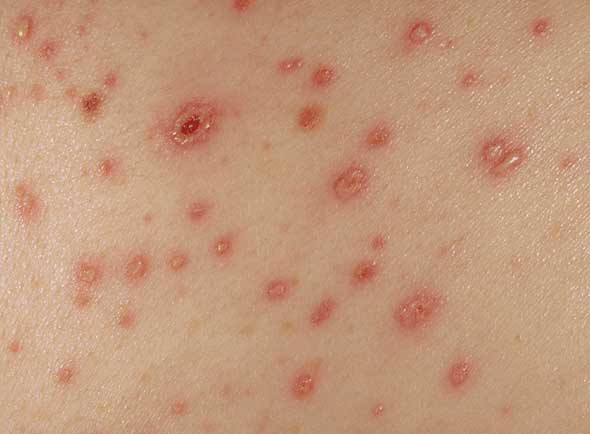
Chickenpox spreads easily through respiratory droplets and direct contact with the fluid from infected skin blisters.

A typical infection causes:

  • Fever
  • Body aches
  • Fatigue
  • Intense itching
  • Approximately 300 to 500 fluid-filled (vesicular) skin lesions

Most healthy children recover without difficulty, but chickenpox can become serious in certain populations.

Who Is Most at Risk for Severe Chickenpox?

Although chickenpox is often viewed as a childhood illness, some groups experience a much higher risk of severe disease and death.

The highest mortality rates occur among:

  • Adults between 30 and 49 years of age
  • Pregnant individuals
  • Infants

These patients are more likely to develop serious complications and often require hospitalization.

Complications of Chickenpox

Most infections resolve without long-term problems, but complications can occur.

The most common complication is secondary bacterial infection of the skin lesions.

More severe complications include:

  • Pneumonia
  • Sepsis
  • Encephalitis (inflammation of the brain)

Prompt medical attention is important if severe symptoms develop, especially in high-risk individuals.

Does Chickenpox Provide Immunity?

For most people, natural infection results in lifelong immunity, making a second episode of chickenpox uncommon.

Because chickenpox was so widespread before routine vaccination, nearly all adults born in the United States before 1980 are considered immune.

However, healthcare workers are generally required to have documented evidence of immunity, often through laboratory testing (varicella antibody titers), even if they remember having chickenpox as a child.

The Chickenpox Vaccine

The varicella vaccine contains a live attenuated (weakened) virus that safely stimulates immunity without causing disease in healthy individuals.

Routine Childhood Vaccination

The recommended vaccination schedule includes:

  • First dose: At 12 months of age or older
  • Second dose: Between 4 and 6 years of age

Older Children and Adults

Individuals who have never been vaccinated or infected with chickenpox should receive two doses, given 4 to 8 weeks apart.

Pregnancy and Varicella Vaccination

Because the vaccine contains a live attenuated virus, it is contraindicated during pregnancy.

If a pregnant individual is found to be non-immune, vaccination should be postponed until after delivery.

Current recommendations are to:

  • Administer the first dose before hospital discharge after pregnancy
  • Give the second dose 4 to 8 weeks later

This approach protects future pregnancies without exposing the developing fetus to a live vaccine.

Post-Exposure Protection

Vaccination can still provide protection even after exposure to chickenpox.

If administered:

  • Within 3 days of exposure, the vaccine is more than 90% effective at preventing disease.
  • Within 5 days, effectiveness decreases to approximately 70%, but vaccination remains highly effective at preventing severe illness.

Varicella-Zoster Immune Globulin (VZIG)

Some individuals cannot safely receive the live vaccine but remain at high risk for severe disease.

For these patients, Varicella-Zoster Immune Globulin (VZIG) is recommended after exposure.

Candidates include individuals without evidence of immunity who have contraindications to live vaccination and are at increased risk of complications.

What Is Shingles?

Shingles, also known as herpes zoster, occurs when dormant varicella-zoster virus reactivates years after the original chickenpox infection.

Unlike chickenpox, shingles usually affects a single sensory nerve, producing a painful rash confined to a dermatomal distribution, meaning it follows the path of one nerve on one side of the body.

Typical symptoms include:

  • Burning or stabbing pain
  • Tingling or numbness before the rash appears
  • Clusters of painful fluid-filled blisters

Can Shingles Be Spread to Others?

A person with shingles cannot give another person shingles.

However, direct contact with fluid from shingles blisters can transmit the varicella-zoster virus to someone who has never had chickenpox or been vaccinated.

That individual would develop chickenpox, not shingles.

Complications of Shingles

The most common and debilitating complication is postherpetic neuralgia (PHN).

This condition causes persistent nerve pain that continues for weeks, months, or even longer after the skin lesions have healed.

Other serious complications include:

  • Ophthalmic shingles, which can infect the eye and potentially lead to permanent vision loss
  • Encephalitis
  • Facial paralysis
  • Hearing loss
  • Balance disorders

Early treatment can help reduce the risk of these complications.

Shingles Vaccines

Two vaccines have been used to prevent shingles.

Zostavax

Zostavax is a live attenuated vaccine that was previously recommended for adults aged 60 years and older.

Because it contains live virus, it is contraindicated in:

  • Pregnancy
  • Significant immunosuppression
  • HIV with severe immune compromise
  • Patients receiving chemotherapy or other immunosuppressive therapies

Today, Zostavax is rarely used because newer vaccines provide stronger and longer-lasting protection.

Shingrix

Shingrix is a recombinant (non-live) vaccine and is now the preferred shingles vaccine.

It is recommended for:

  • Immunocompetent adults aged 50 years and older

The vaccination series consists of:

  • Two doses
  • Administered 2 to 6 months apart

Because Shingrix is not a live vaccine, it has fewer contraindications than Zostavax and produces a stronger immune response.

Important Vaccination Recommendations

Even if someone previously received Zostavax, they should still receive the complete Shingrix series for improved protection.

Likewise, individuals who have already experienced shingles should still be vaccinated. Vaccination is simply delayed until the acute illness has completely resolved, typically about 8 weeks after the rash first appears.

Live Vaccines: Special Considerations

Several commonly used vaccines contain live attenuated viruses, including:

  • Measles, Mumps, and Rubella (MMR)
  • Varicella (chickenpox)
  • Intranasal influenza vaccine (FluMist)
  • Zostavax
  • Rotavirus vaccine

Because these vaccines contain weakened viruses, they are generally avoided during pregnancy and in individuals with significant immune suppression unless specific clinical guidelines indicate otherwise.

One important exception involves the rotavirus vaccine, which is strictly contraindicated in infants with Severe Combined Immunodeficiency (SCID).

Connecting You and Primary Care
© 2026 TME HEALTHCARE. All rights reserved.