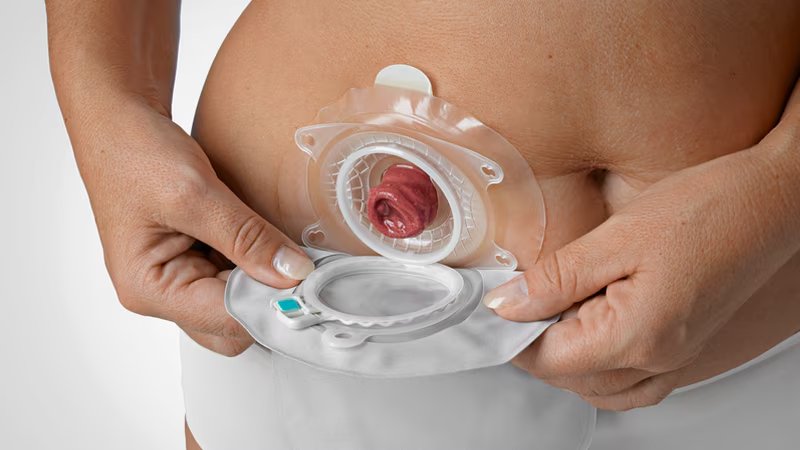
Phase 1: First 1–2 Weeks After Surgery (Low-Residue, Easy-to-Digest Foods)
Your bowel is still healing. Choose soft, low-fiber foods that reduce gas and are gentle on digestion.
✔ Recommended Foods
Proteins
- Eggs (scrambled, poached)
- Tender chicken, turkey, or fish
- Tofu
- Smooth nut butters (small amounts)
Carbohydrates & Grains
- White rice
- White toast, white bread
- Plain pasta
- Low-fiber cereals (Cornflakes, Rice Krispies)
- Potatoes (peeled, mashed, baked)
Fruits (limit to low-fiber)
- Applesauce
- Bananas
- Canned peaches/pears (no skins)
- Melon
Vegetables (well-cooked, no skins)
- Carrots
- Green beans
- Squash
- Zucchini
- Beets
Dairy (if tolerated)
- Yogurt
- Low-fat milk
- Cheese
Snacks
- Crackers
- Pretzels
- Plain cookies
Phase 2: Weeks 2–8 (Gradual Reintroduction of Fiber)
Start adding new foods one at a time, watching how your body responds.
Slowly add:
- Whole wheat bread
- Brown rice (small amounts)
- Peeled fruits
- Well-cooked vegetables
- Small amounts of soft raw vegetables (lettuce, cucumber without skin)
- Beans or lentils (try very small portions at first)
If a food causes gas or irritation:
✔ Reduce portion size
✔ Try again in a few weeks
✔ Add it with other tolerated foods
Foods to Avoid for Now (First 4–8 Weeks)
These foods can increase gas, blockage risk, or pouch odor.
Blockage Risk Foods
- Raw veggies (especially celery, carrots, broccoli stalks)
- Corn
- Popcorn
- Nuts and seeds
- Coconut
- Dried fruit
- Mushrooms
- Cabbage, broccoli, cauliflower (fibrous)
Gas-Producing Foods
- Beans, lentils
- Carbonated drinks
- Onions
- Broccoli, cabbage
- Chewing gum (swallowed air)
Odor-Producing Foods
- Fish
- Eggs
- Garlic
- Asparagus
Foods That May Increase Output
- Coffee
- Tea
- Fruit juices
- Alcohol
- Spicy foods
- High-sugar drinks
Hydration: One of the Most Important Parts of Your Diet
A colostomy still puts you at risk for dehydration, especially if output is high.
Aim for:
- 6–8 cups of fluids daily
- A mix of water + oral rehydration drinks (e.g., Pedialyte, electrolyte solutions)
Signs of dehydration:
- Dark urine
- Dizziness
- Dry mouth
- Fatigue
- Increased stoma output
Hydration Boosters
- Broth
- Soup
- Electrolyte drinks
- Salted crackers or pretzels
How to Eat: Practical Tips for Comfort and Digestion
✔ Eat 4–6 small meals instead of 2–3 large ones
✔ Chew food thoroughly—this prevents blockage
✔ Add new foods slowly
✔ Drink fluids
between
meals (drinking with meals may increase output)
✔ Add salt if output is high
✔ Keep a food diary to track your body’s responses
Special Situations & How to Respond
If output is too high (watery or frequent):
Eat more:
- White rice
- Bananas
- Applesauce
- Toast
- Pasta
- Potatoes
- Peanut butter
- Marshmallows
Limit:
- Coffee
- Juices
- High-sugar drinks
- Spicy foods
- Alcohol
If output is too low or you feel constipated:
Increase:
- Warm fluids
- Oatmeal
- Pears or prune juice (small amounts)
- Cooked vegetables
Call your provider if:
- There is no output for several hours and you have cramping or nausea.
Foods That Help Control Gas (Better Tolerance)
- Yogurt
- Peppermint tea (if tolerated)
- Buttermilk
- Parsley
Common-Sense Rule:
Try one new food at a time.
If it causes problems, wait a few weeks and try again in a smaller amount.